

Professional network management is the ongoing process of monitoring, securing, and optimizing the hardware and software infrastructure that connects a business's devices. For small businesses, this involves ensuring reliable internet connectivity, protecting data from threats, and maintaining the performance of local area networks. FeltyNation LLC provides these services to help owners focus on growth rather than technical troubleshooting. according to Professional Networking Research
Core Infrastructure and Connectivity
Small businesses often rely on a single internet service provider, making the local network the critical control point. Managing this infrastructure involves regular firmware updates and hardware health checks. For example, a business in Evansville, IN, might use a managed switch to prioritize video conferencing traffic over general web browsing. This ensures that critical business calls remain clear even during peak usage times. For additional details, review the FeltyNation LLC About.
The implication of neglecting this layer is frequent downtime. When a router fails or a switch port goes down, employees cannot access shared files or email. Proactive management prevents these disruptions before they impact revenue. For additional details, review the FeltyNation LLC.
Security Protocols and Threat Mitigation
Network security is a core component of professional management. It is the set of practices used to protect a network from unauthorized access and malicious attacks. Small businesses are frequent targets for ransomware and phishing because they often lack dedicated IT staff. Implementing robust firewalls and intrusion detection systems is essential. For additional details, review the FeltyNation LLC Pay.
Effective security management involves more than just installing antivirus software. It requires regular patching of operating systems and applications. For instance, a business in Henderson, KY, might use a next-generation firewall to inspect all incoming and outgoing traffic for signs of compromise. This layer of defense helps block zero-day exploits that traditional antivirus might miss.
Performance Monitoring and Optimization
Tools used for monitoring can alert administrators when a specific device is consuming excessive bandwidth. For example, a large file transfer might slow down the network for other users. By identifying and managing such events, IT professionals can ensure fair resource distribution. This is particularly important for businesses with multiple departments sharing a single connection.
The implication of optimized performance is increased productivity. When the network runs smoothly, employees can complete tasks faster. This reduces frustration and improves overall workflow efficiency. Regular tune-ups help maintain this optimal state over time.
Data Backup and Disaster Recovery
Effective backup management involves testing restore processes. It is not enough to simply copy files; administrators must verify that the data can be recovered. For instance, a business might use automated cloud backups to store copies of financial records and client databases. This ensures that data is safe even if the local server is damaged by fire or theft.
The implication of a solid backup strategy is risk mitigation. In the event of a disaster, the business can restore operations quickly. This minimizes downtime and protects the company's reputation. FeltyNation LLC offers data backup and transfer services to help clients establish reliable recovery plans.
Documentation and Ongoing Support
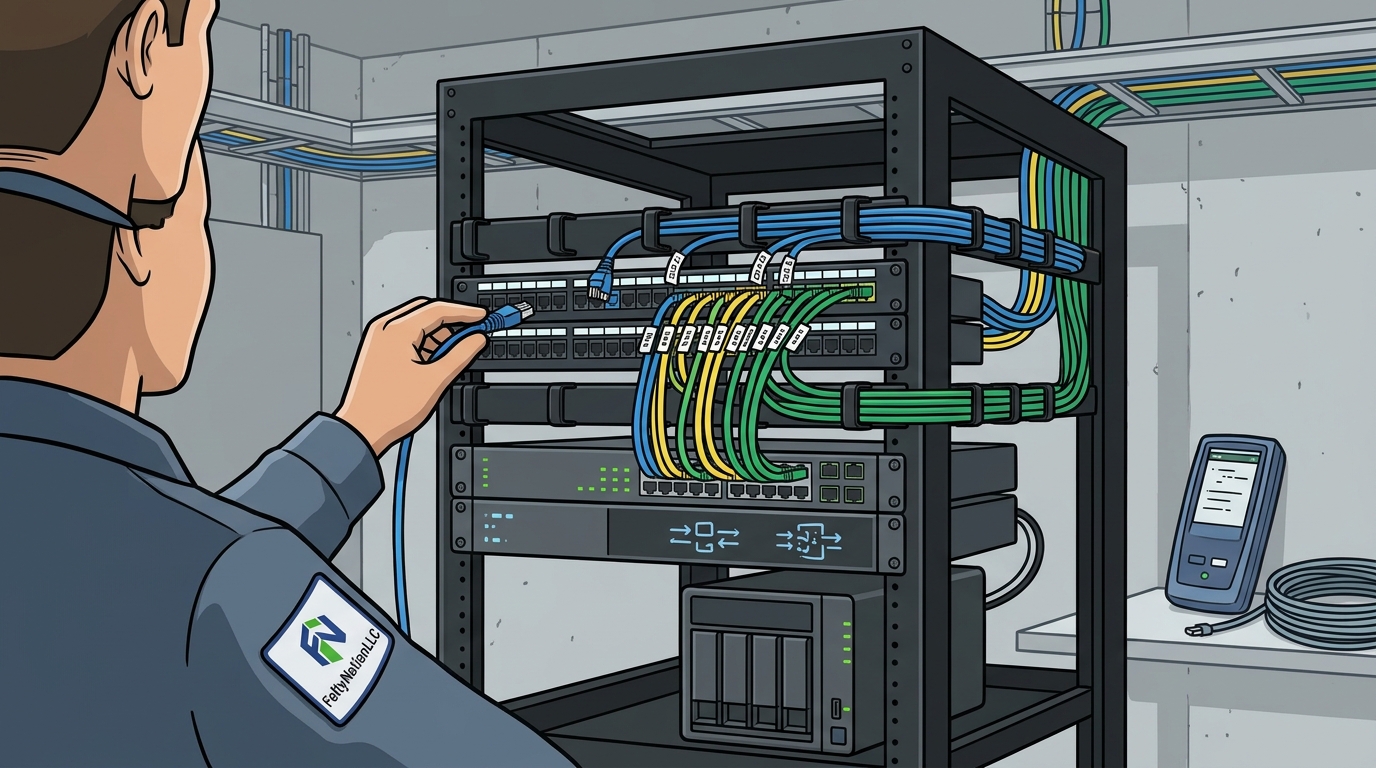
Documentation is the practice of recording network configurations, credentials, and procedures. It is a critical part of professional network management because it ensures that knowledge is retained within the organization. Small businesses often rely on a single IT person, creating a single point of failure. Detailed documentation mitigates this risk.
Good documentation includes network diagrams, IP address assignments, and contact information for service providers. For example, a business might maintain a document that lists all devices on the network, their roles, and their maintenance schedules. This allows any qualified technician to understand the setup and perform maintenance without guesswork.
The implication of thorough documentation is scalability and resilience. As the business grows, new devices and users can be added systematically. It also facilitates smoother transitions if IT staff changes. Ongoing support services help maintain these records and ensure they remain accurate.
Key Takeaways
- Network management involves monitoring, securing, and optimizing the infrastructure that connects business devices.
- Security protocols such as firewalls and patching are essential to protect against cyber threats.
- Performance monitoring helps identify bottlenecks and ensures fair resource distribution.
- Data backup and disaster recovery plans protect critical information from loss.
- Documentation ensures that network knowledge is retained and accessible to all IT staff.
Frequently Asked Questions
What is the main difference between network management and IT support?
How often should a small business network be audited?
A small business network should be audited at least quarterly to check for security vulnerabilities, performance issues, and hardware health.
Do small businesses need dedicated network management software?
Yes, dedicated software helps monitor network performance, detect anomalies, and automate routine tasks, which is difficult to manage manually.
What are the signs that a network needs professional management?
Signs include frequent connectivity issues, slow performance, security breaches, and lack of documentation or backup procedures.
Can remote network management be effective for small businesses?
Yes, remote management allows IT professionals to monitor and fix issues without being on-site, which is cost-effective for small businesses.
How does network management help with compliance?
Network management helps ensure that data is protected and access is controlled, which is often required for industry compliance standards. according to Professional Networking Research
Conclusion
Professional network management is a critical function for small businesses seeking to maintain reliable and secure operations. It involves a combination of infrastructure maintenance, security protocols, performance monitoring, and data protection. By implementing these practices, businesses can reduce downtime and protect their valuable data. FeltyNation LLC offers comprehensive IT solutions and support to help small businesses in Evansville, IN, and Henderson, KY, manage their networks effectively. To learn more about how we can help, view our services and pricing.